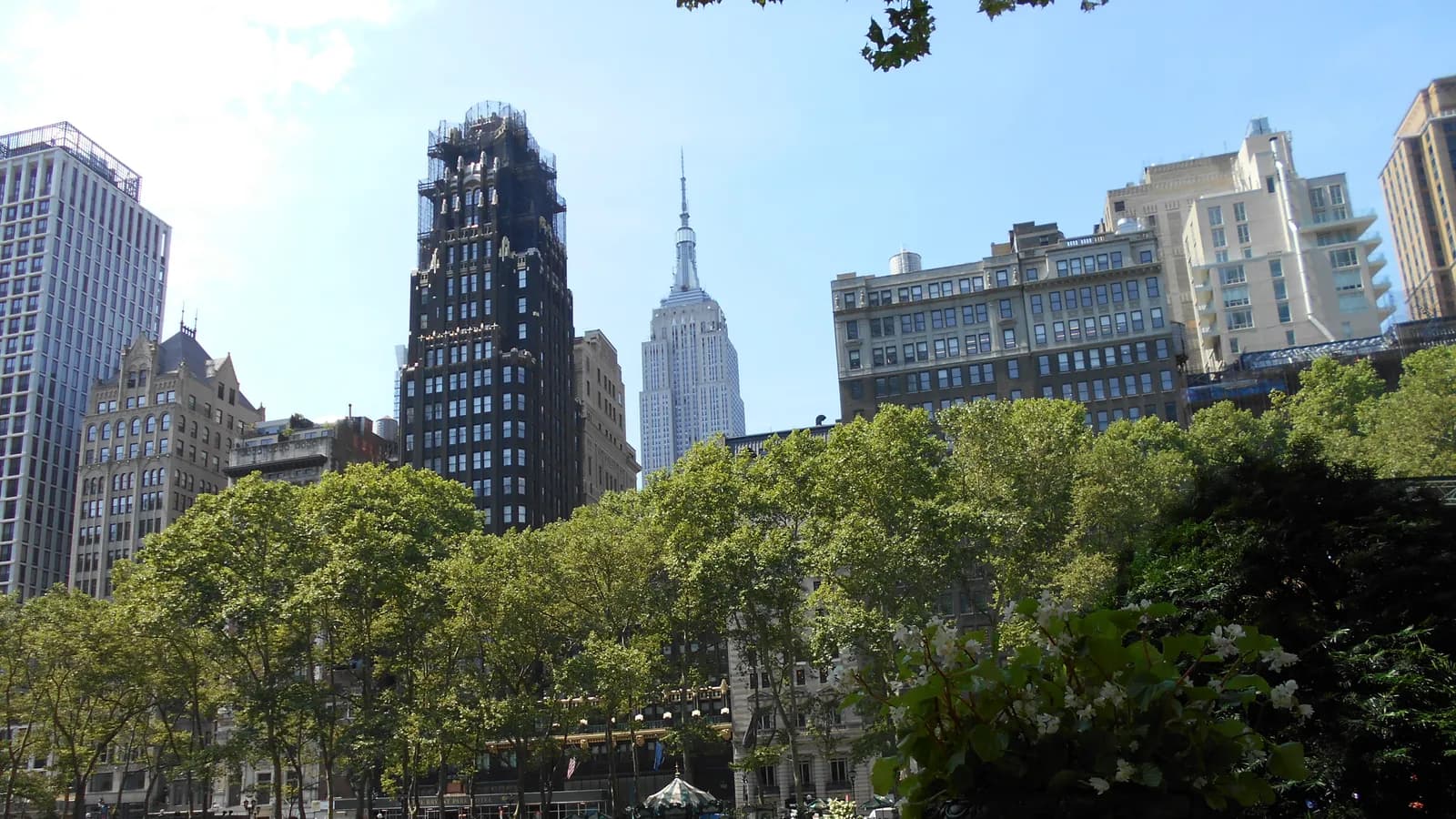
A Free Harbor Trip on the Staten Island Ferry
By Nora ElleryPublished Updated 3 min read
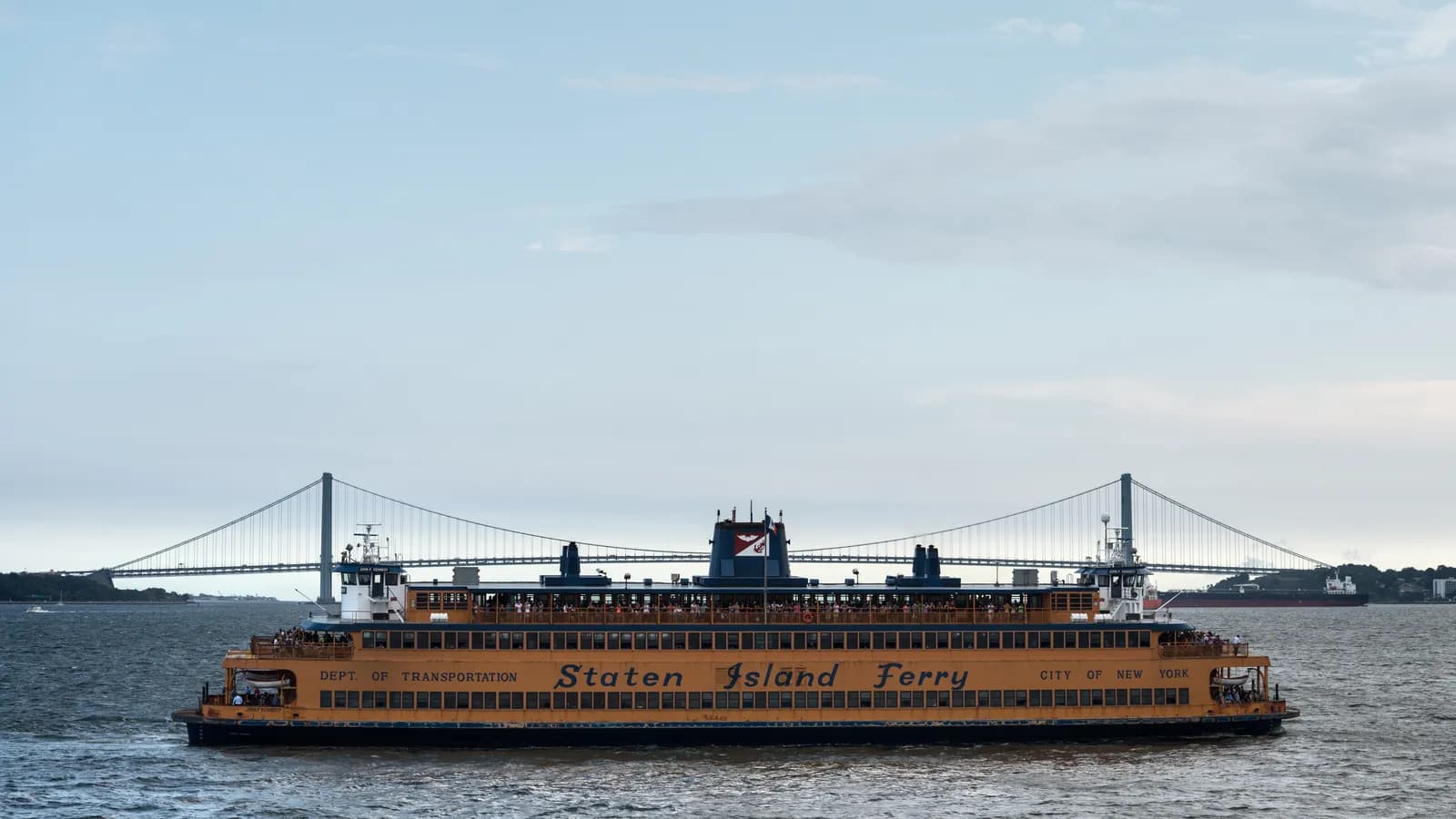
The orange ferry is part of New York's everyday transport, but the crossing also gives a visitor time to look at the harbor. Begin at Whitehall in Lower Manhattan, ride to St. George on Staten Island, then return for a walk through The Battery. You can combine the boat trip, gardens and a former harbor fort without an admission charge.
Staten Island Ferry
NYC DOT runs the ferry between Whitehall Terminal and St. George Terminal. The crossing takes about 25 minutes each way, and both journeys are free for everyone. Service runs around the clock, every day of the year.
For the Manhattan departure, head to Whitehall Terminal at 4 South Street. The 1 train at South Ferry and the R or W at Whitehall Street–South Ferry are useful connections. There is art to notice before boarding: Ming Fay's granite benches, titled Whitehall Crossing, draw on the forms of canoes crossing New York Bay.
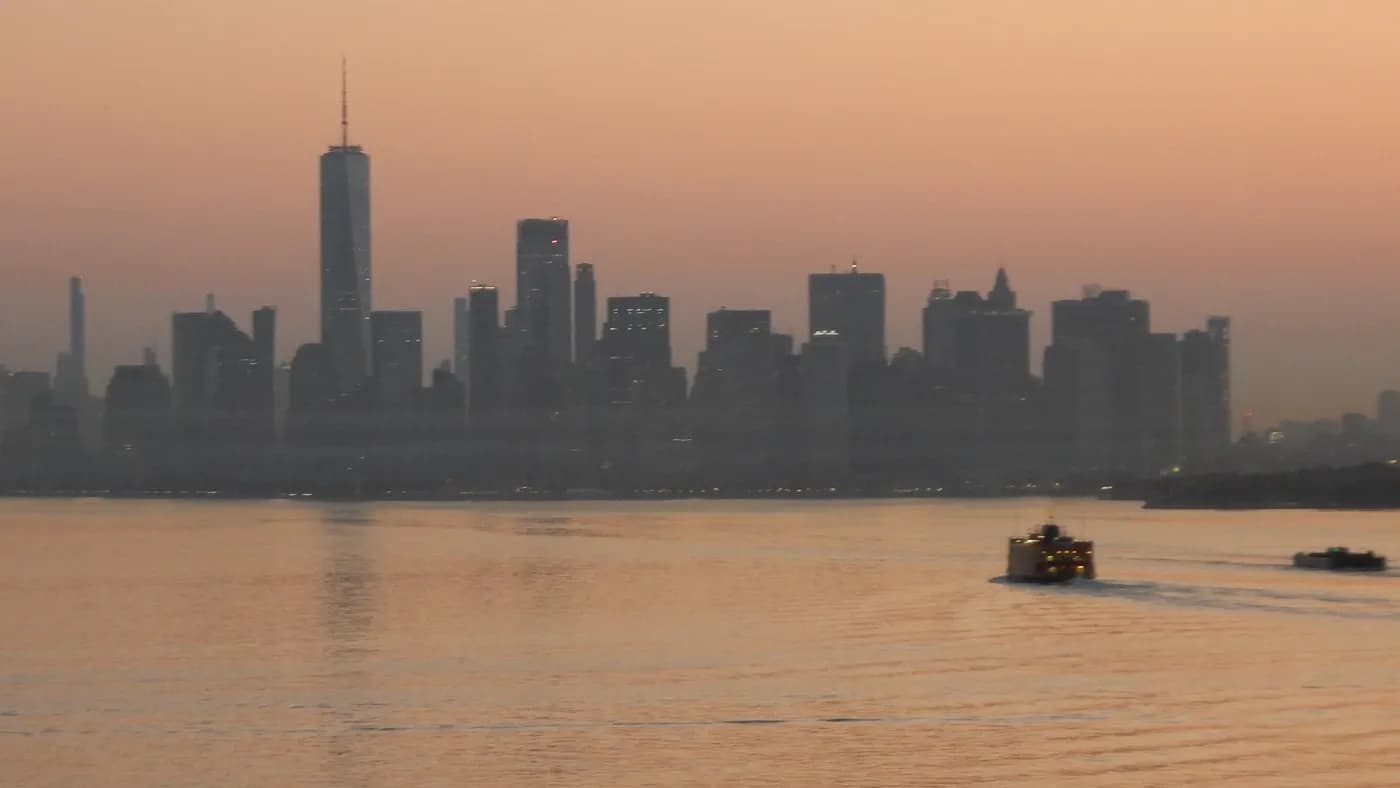
Once aboard, give the view some time. Watch how the city changes from a collection of buildings around you into a skyline across the water. The trip is long enough to settle into that view rather than treating it as a single photo opportunity.
Arrive at St. George, then choose your return
St. George Terminal is at 1 Bay Street. Its glass-and-steel waiting area opens up views of the harbor, giving the arrival a different feel from the streets around Whitehall.
For a short outing, make the return crossing your next leg. Allow time for the terminal and the next departure as well as the two boat rides. NYC311 lists departures every 30 minutes outside weekday rush hours, with more frequent service during those commuter periods.
The free route links Manhattan and Staten Island. Ferries that land at Liberty Island and Ellis Island are separate services; this trip works as a harbor crossing rather than an island visit.
Look at the name on your boat
Some of the ferry names open up a little local history. Sandy Ground honors a Staten Island community whose history as a free Black settlement dates to 1828. Black oystermen who left Maryland helped build the community around New York's oyster trade. Dorothy Day carries the name of the peace activist associated with the Catholic Worker movement.
You may travel on a different vessel, but reading the name turns a piece of transport into another detail of the city. The operator's ferry facts page explains the fleet and its names.
Back in Manhattan: The Battery's gardens
After returning to Whitehall, extend the visit through The Battery. Its perennial gardens are free and open to the public, bringing the pace back to walking after the crossing.
Piet Oudolf developed the park's horticultural master plan in 2002. His use of perennial plants gives the gardens texture and seasonal change as well as flowers. That makes this a place to look at the planting itself, not simply a path to another ferry.
The Battery garden guide explains the landscape and links to the plants being grown. Choose a short garden walk if you want to keep the outing compact, or spend longer along the waterfront.
Castle Clinton National Monument
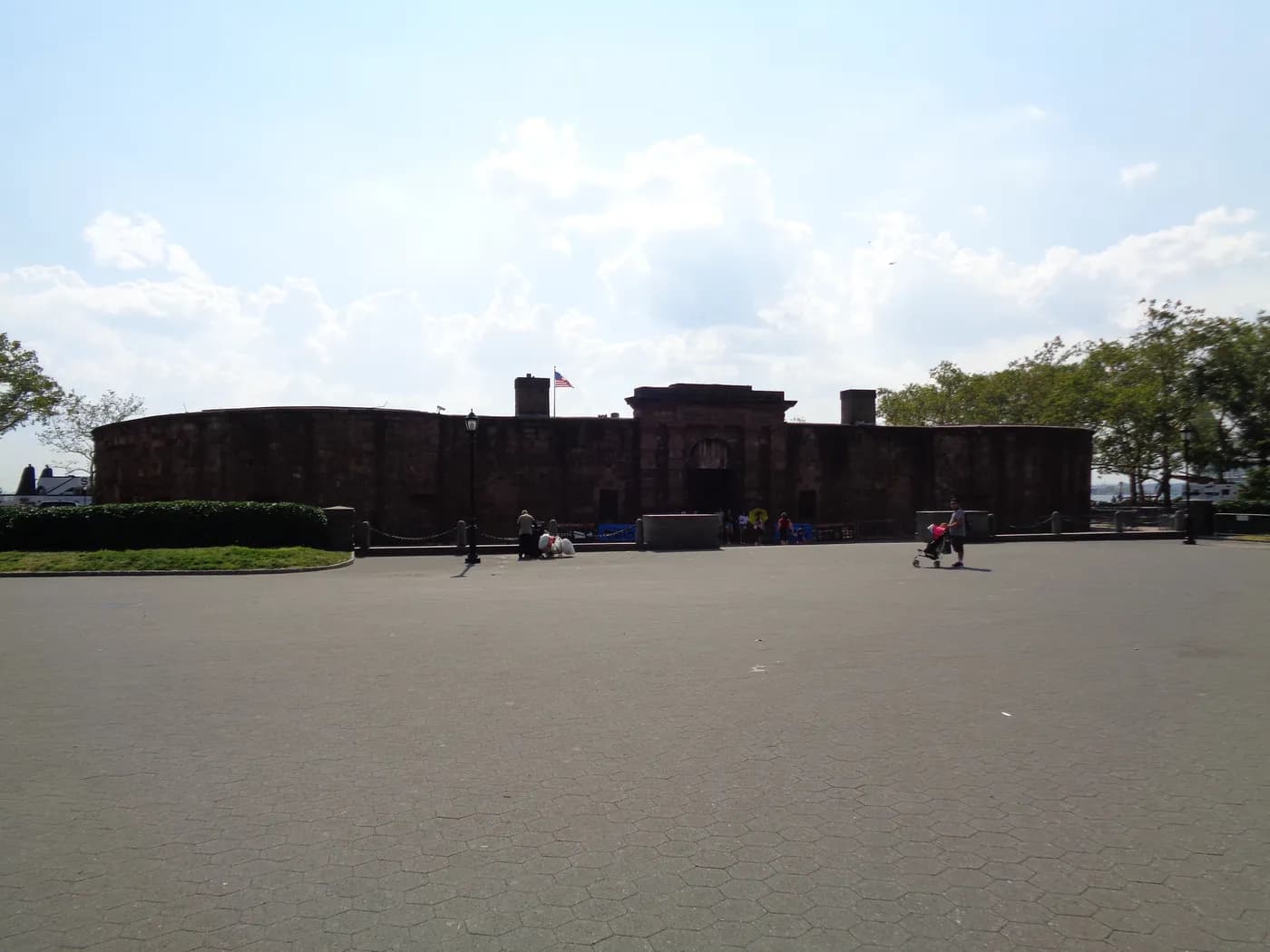
Castle Clinton gives the waterfront walk a historical stop. Built as a fort between 1808 and 1811, it later became an entertainment venue, then an immigrant processing station, and eventually the city's aquarium. Those changes connect the same building to several very different chapters of New York's harbor history.
The National Park Service offers free admission to the open-air fort and its exhibits. It is a separate visit from the paid Statue of Liberty ferry tickets sold at the site.
Check the ferry departures and Castle Clinton visitor information before you go. For the simplest version, take the two crossings and a garden walk; add the fort when you want more history on the Manhattan side. Our New York guide has other free stops to build around the trip.
https://freebles.app/nyc/guides/staten-island-ferry-free-harbor-guide